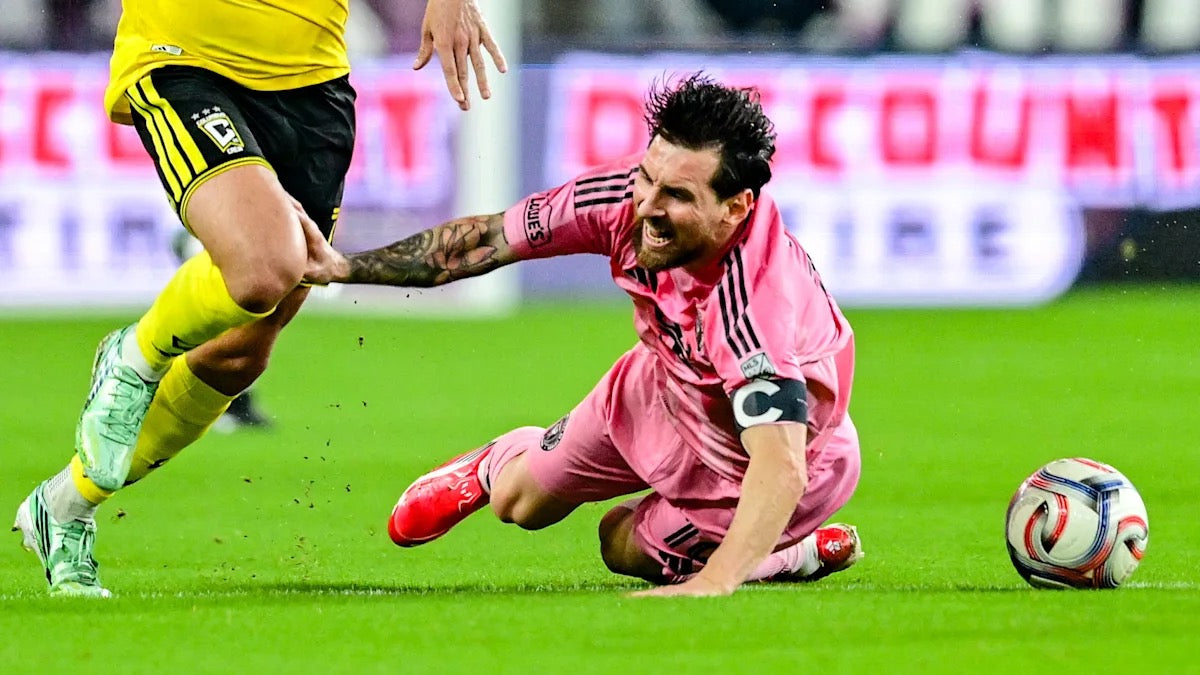
Inter Miami entered the MLS Cup Playoffs as the defending champions, the No. 2 seed in the Eastern Conference, and a team featuring arguably the greatest player in soccer history. None of that mattered Saturday night as the Columbus Crew embarrassed Miami 3-0 at Nu Stadium, putting Lionel Messi and company one loss away from elimination. The defeat exposed problems that have plagued Inter Miami for months, raising serious questions about whether this team can successfully defend its championship.
Gonzalo Tapia scored twice for Columbus, while Taha Habrouneadded another goal in a match that quickly spiraled out of Miami's control. An early goalkeeper mistake, another costly red card, and poor defensive organization contributed to a disastrous playoff opener. With Game 2 scheduled for Friday in Columbus, here are three areas Inter Miami must address to keep its season alive.
Inter Miami Must Stop Self-Destructing with Costly Mistakes
Inter Miami's biggest opponent Saturday night might have been itself. Just eight minutes into the match, goalkeeper Dayne St. Clair rushed off his line and brought down Tapia inside the penalty area, gifting Columbus an early opportunity. Tapia converted the penalty, putting Miami behind before the home side had established any rhythm.
The situation deteriorated in the 36th minute when defender Gonzalo Luján received his second yellow card, leaving Miami with 10 players for the remainder of the match. Playing nearly an hour shorthanded against one of MLS's hottest teams was always going to be difficult, particularly with Miami already trailing. What should concern coach Cristian González is how frequently his team allows frustration to influence its decision-making.
Miami committed 22 fouls and received five yellow cards, numbers that reflect a team struggling to maintain its composure. Even Messi received a booking after throwing the ball into Tapia's face from close range. The incident was unnecessary, and it reflected the frustration spreading throughout a team that appeared increasingly rattled by Columbus.
These mistakes cannot continue if Miami expects to survive the playoffs. St. Clair must exercise better judgment when deciding whether to challenge attackers, while defenders need to recognize when an aggressive tackle carries more risk than reward. The Crew didn't need much assistance Saturday, but Miami repeatedly provided it.
Miami's Defensive Organization Continues to Be a Major Problem
Luján's dismissal certainly complicated Miami's defensive responsibilities, but the problems extended beyond playing with 10 men. Columbus repeatedly exploited space between Miami's defenders, particularly when the Crew attacked quickly through the middle. The visitors demonstrated a level of coordination that Miami struggled to match throughout the evening.
Habroune's second-half goal illustrated those deficiencies perfectly. Brais Méndez delivered a well-timed through ball that allowed Habroune to break into a dangerous position and finish past St. Clair. Minutes later, Tapia turned Yannick Bright far too easily before racing through Miami's defense to score his second goal.
Those sequences exposed Miami's inability to protect central areas when opponents move the ball quickly. Columbus didn't rely on hopeful crosses or speculative long-range attempts; its attackers recognized defensive openings and punished them. Even accounting for the numerical disadvantage, Miami's defenders offered far too little resistance once Columbus advanced into threatening positions.
Miami Must Become More Clinical Instead of Depending on Messi
For all the defensive mistakes, Miami had opportunities to change the match before Luján's dismissal. Messi forced Columbus goalkeeper Patrick Schulte into an outstanding save, while Luis Suárez missed a promising opportunity with the goal at his mercy. Those chances could have changed the complexion of the match, particularly before Miami was reduced to 10 players.
Schulte finished with five saves, including two impressive stops against Messi, demonstrating why Columbus remains such a dangerous playoff opponent. However, Miami cannot continue relying on its captain to produce something extraordinary whenever the offense struggles. The supporting cast must become more effective at converting opportunities and creating dangerous situations without waiting for Messi to manufacture them.
Miami's recent results make that concern especially troubling. Despite finishing 13 points ahead of Columbus during the regular season, Inter Miami has won just five of its last 18 MLS matches. Meanwhile, the Crew entered the postseason riding six consecutive league victories and have developed considerable confidence under interim coach Laurent Courtois.
Columbus has shown that its success is no accident, with Méndez, Tapia, and Habroune providing multiple attacking threats. Miami needs greater movement away from the ball, quicker combinations around the penalty area, and better finishing when opportunities arise. Against an organized Columbus defense, possession alone won't be enough to create meaningful scoring chances.
Miami's Championship Defense Is Now on the Line
But the most concerning aspect of Saturday's defeat is that Columbus looked like the team playing with championship confidence. The Crew arrived as the seventh seed but played with the composure and attacking conviction expected from a contender. Miami, despite its collection of international stars, appeared increasingly frustrated as the match slipped away.
Inter Miami must now travel to Columbus and win Game 2 to force a decisive third match back in South Florida. The talent remains capable of producing that result, especially with Messi leading the attack. But Columbus has already demonstrated that reputation and individual brilliance mean little against a disciplined opponent executing a clear tactical plan.